

Dry Eye Treatment
in Fuquay-Varina, North Carolina
What is Dry Eye?
Dry eye is caused by a lack of proper lubrication on the eye’s surface, leading to irritation.
Check out the video below to learn about Dry Eye and how we can help.
We use our eyes all day long, but we rarely think of them—unless they’re uncomfortable, and then they’re all we think about.
Adults might turn to redness-relieving eye drops, while kids often rub their eyes. But neither strategy tackles the true cause of tired, scratchy eyes.
Dry eye is a chronic, common, and uncomfortable condition, impacting more than 16 million Americans. Not only is it irritating, but it can really put a damper on your daily activities. Dry eyes can decrease your quality of life and hinder productivity.
But relief is available! Book an exam today for a comprehensive eye exam to diagnose your dry eye symptoms. If left untreated, dry eye can lead to long-term infections and eye damage down the road. Any time your eyes are uncomfortable, it’s best to pay us a visit and rule out more problematic conditions.
QUICK LINKS
More about Dry Eye
What causes dry eye?

How Treatment Works
Treatment Results
Treatment FAQ
There are two main types of dry eye.
TYPE 1
Reduced Tear Production
Reasons for decreased tear production are varied and might include:
- Contact lens wear
- Normal aging
- Medications such as antihistamines or antidepressants
- Medical conditions such as lupus, rheumatoid arthritis, or Sjögren’s Syndrome
- Recent laser vision correction surgery
TYPE 2
Poor Quality Tears
Good-quality tears depend on a balanced and effective tear film. The tear film is made up of 3 layers—a mucus layer to spread the tears over the surface of the eye, a water layer to hydrate the eye, and an oil layer to keep the water from evaporating too quickly. If there’s an imbalance in the tear film, dry eye syndrome can result.
The tiny glands along the top and bottom edges of the eyelids, called the meibomian glands are responsible for producing the oil layer of your tear film. Blockages in these glands can cause a reduction in the amount of oil produced, leading to dry eyes.
When we diagnose your dry eye syndrome, we’ll also look at the condition of your meibomian glands and recommend treatment options if they’re not functioning properly.

Symptoms
of dry eye.
Dry eye symptoms generally occur in both eyes at the same time and can include:
- Stinging or burning
- Gritty or scratchy feeling
- Foreign body sensation
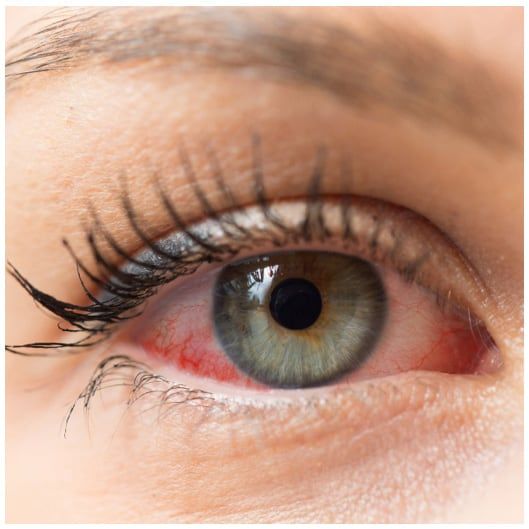
- Red or watery eyes
- Blurry vision
- Sensitivity to light
- Eye fatigue
- Stringy mucus in or around your eyes
- Discomfort when wearing contacts
If you are experiencing any of these symptoms, book your appointment to explore dry eye treatment options today.
What causes Dry Eye?
Meibomian Glands
Your eyelids contain meibomian glands, which produce oils that slow tear evaporation. When these glands become blocked, your eyes lose moisture faster, resulting in dry eye symptoms.
Your Tears
Your tears are made up of several layers that work together to keep your eyes properly lubricated.
The oils that are produced in the meibomian glands provide the outer layer which protects the inner layers from evaporating too fast. When this outer layer is too thin, your tears evaporate quickly, creating dry eyes.

How Treatment Works
Dry eye treatment (Triphasic Restoration System) involves three individual steps within each of four separate office visits.

STEP 1
Zap
Intense light pulses are applied to the eyelids to eliminate inflammatory blood vessels. You will experience some discomfort during the short period of light pulses.
Duration: Approx 20 minutes

STEP 2
Flush
Heat is applied to the eyelids to soften the buildup within the meibomian glands. The liquefied solids are flushed away. You will experience a warm soothing feeling.
Duration: Approx 20 minutes

STEP 3
Rejuvenate
A soothing red light is applied to the treated area, encouraging cell renewal. This helps glands to produce nourishing oils that provide lasting relief and hydration.
Duration: Approx 20 minutes
Treatment Results
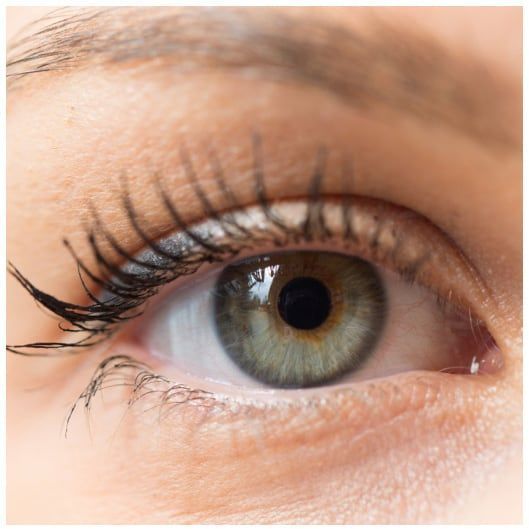
You can expect great results after our four-visit treatment therapy such as relief from dryness, itchiness and redness.
Dry Eye Treatment FAQ
Why do I have to go four times? Can one treatment take care of the issue?
In order to have a successful outcome, four sessions need to be performed.
Can dead meibomian glands be restored with this procedure?
No, once a meibomian gland has died, it cannot be restored. This is why early treatment is so important. Damaged glands can be repaired, dead glands cannot.
What is the recovery process like?
There is no recovery process, you can go about your business right away as normal.
Can I wear makeup?
We advise that you arrive to your appointment with a clean face, free from any skincare or cosmetic products. Normal skincare/ cosmetic routine can resume the same day following each treatment session.
Are there any side effects?
The only potential side effect is photosensitivity of the treated area. We recommend sun protection for the duration of treatment, especially during extended periods of sun exposure.